Misdiagnosis of Diabetes: Why Accurate Diagnostics Change Treatment

Diabetes mellitus is considered one of the most common chronic diseases in the world. However, not every patient receives the correct diagnosis the first time. Despite the development of modern endocrinology, some forms of diabetes can masquerade as other diseases for years, which leads to the choice of ineffective therapy and the gradual progression of the disease. This is precisely why, in modern German medicine, great attention is paid not only to controlling glucose levels, but also to the accurate determination of the type of diabetes. The choice of treatment, the disease prognosis, and the patient's quality of life directly depend on the correct diagnosis.
Why Errors in Diagnosing Diabetes Are Possible
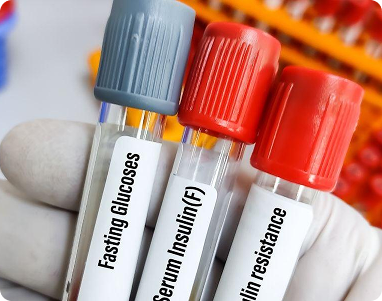
In most cases, distinguishing between type 1 and type 2 diabetes mellitus is not difficult. However, there are a number of clinical situations in which the disease develops atypically. This especially concerns adult patients, in whom autoimmune diabetes can progress slowly. In the first years, the disease outwardly resembles type 2 diabetes: the body's own insulin production is preserved, blood sugar can be controlled with tablet medications, and pronounced insulin deficiency develops gradually. This is precisely why international guidelines emphasize the importance of additional examination in cases of atypical disease progression. Modern diagnostics includes determining the level of C-peptide, antibodies to GAD, IA-2, ZnT8, and other tests that allow the true nature of the diabetes to be determined.


Why the Correct Diagnosis Is So Important
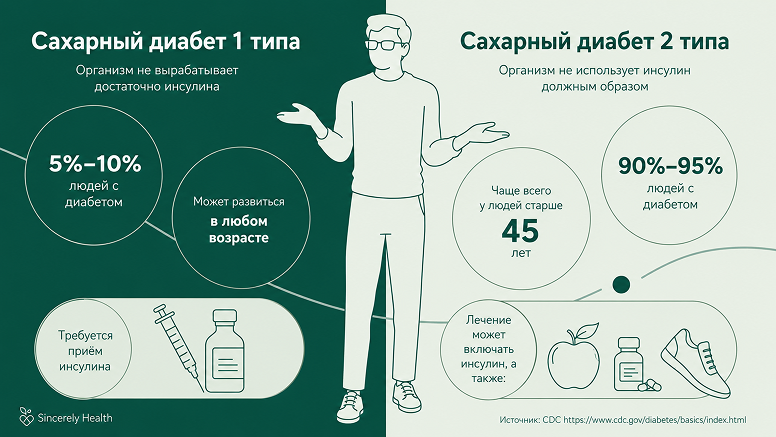
Type 1 and type 2 diabetes require fundamentally different approaches to treatment. In type 2 diabetes mellitus, the body continues to produce insulin, but the tissues become less sensitive to its action. The basis of treatment is lifestyle changes, weight loss, modern glucose-lowering medications, and, if necessary, insulin therapy. In type 1 diabetes mellitus, the problem lies in the destruction of the pancreatic β-cells as a result of an autoimmune process. The body gradually stops producing its own insulin, so replacement insulin therapy becomes vital.

Clinical Case: Eight Years with the Wrong Diagnosis
A 34-year-old patient from Kazakhstan contacted German Medical Concierge, who had already been diagnosed with type 2 diabetes mellitus back in 2018. For several years, he conscientiously followed all the doctors' recommendations and took modern glucose-lowering medications, including an SGLT2 inhibitor, a DPP-4 inhibitor, and a GLP-1 receptor agonist. Later, the patient completely revised his diet, eliminated sugar, and significantly changed his lifestyle. Despite this, his glucose readings began to deteriorate rapidly. At the local clinic, he was recommended to start basal insulin therapy, but the reason for the disease's progression remained unclear.
After contacting German Medical Concierge, within just a few days a consultation with an endocrinologist and professor at Charité in Berlin was arranged. During the initial examination, the German specialists immediately noted that the clinical picture did not fit well with classic type 2 diabetes mellitus. After additional examination, the diagnosis was revised. The study showed an almost complete depletion of the body's own insulin production, based on the level of C-peptide, and a high titer of antibodies to GAD, which indicated an autoimmune process. The final diagnosis turned out to be different: instead of type 2 diabetes mellitus, the patient was diagnosed with type 1 diabetes mellitus.
This completely changed the further treatment strategy. The patient was prescribed modern insulin therapy, underwent training in a diabetes school, had a continuous glucose monitoring system set up, and an individual plan for further follow-up was developed.



What Examinations Are Used in Germany
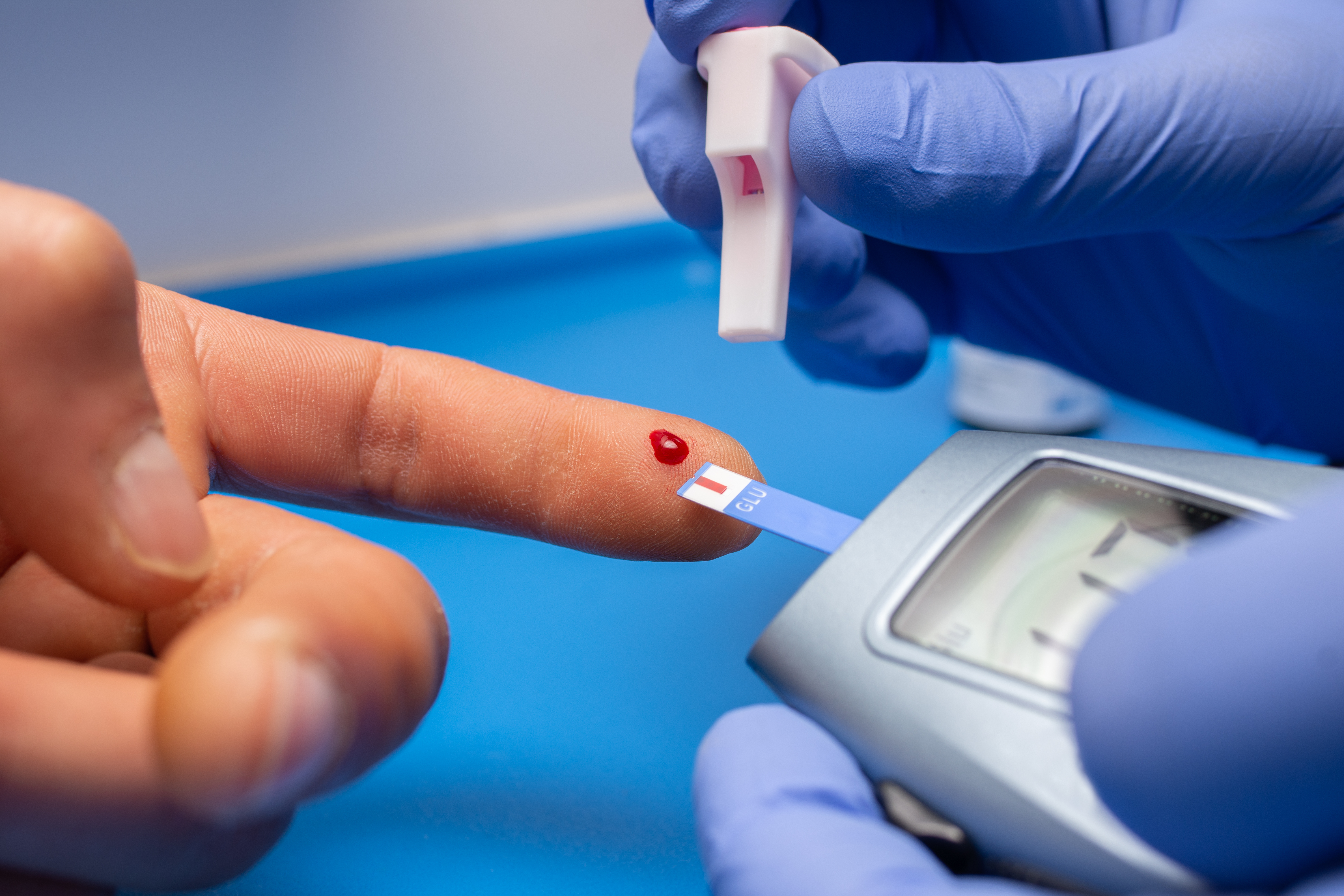
When a misdiagnosis is suspected, German endocrinology centers use a comprehensive approach. Depending on the clinical situation, the examination may include:

C-peptide level


β-cell function


This approach makes it possible to determine not only the blood sugar level, but also the mechanism behind the development of the disease.
When It's Worth Considering a Diagnosis Review
An additional consultation with an endocrinologist may be justified if the disease develops atypically. This especially concerns patients in whom:





In many such cases, additional diagnostics make it possible to clarify the diagnosis and change treatment tactics.
Why Germany Is Considered One of the Leaders in Modern Diabetology
German university hospitals use a multidisciplinary approach to managing patients with diabetes. Endocrinologists, immunologists, laboratory diagnostics specialists, geneticists, dietitians, and patient education specialists participate in the examination and treatment. Special attention is paid not only to selecting therapy, but also to teaching a person to independently manage their disease, to using modern continuous glucose monitoring systems, to preventing complications, and to long-term follow-up. It is precisely this comprehensive approach that is considered one of the key advantages of modern diabetology in Germany.
German Medical Concierge
For international patients, it can be difficult to determine whether a diagnosis really requires review and which examinations are necessary in their specific case. German Medical Concierge helps organize this process as a unified medical strategy. The team analyzes medical documentation, selects leading endocrinology centers and specialists in Germany, arranges a second medical opinion and advanced diagnostics, and accompanies the patient at all stages of examination and treatment.


Why an Accurate Diagnosis Is Crucial
Modern endocrinology is increasingly shifting from treating symptoms
Why an Accurate Diagnosis Is Crucial
Modern endocrinology is increasingly shifting from treating symptoms to understanding the mechanisms of the disease. Sometimes it is precisely a few additional tests that make it possible to completely change the diagnosis and choose a fundamentally different treatment strategy. This patient's story shows that even after years, a diagnosis can be revised. And it is precisely accurate diagnostics that becomes the first step toward effective treatment, better disease control, and the preservation of quality of life.