
Why more and more patients are choosing plastic surgery in Germany

Plastic surgery has long ceased to be exclusively a part of the beauty industry. Today, more and more patients view aesthetic operations as a serious medical intervention that affects not only the external result, but also health, safety, and quality of life in the long term.
This is precisely why many patients from different countries around the world choose plastic surgery in Germany. Here, aesthetic medicine develops according to a fundamentally different model than in many popular destinations of medical tourism. The focus is not on the speed of the procedure and marketing promises, but on patient safety, medical diagnostics, and long-term results.
Aesthetic surgery as part of medicine
One of the main features of the German approach is the attitude toward plastic surgery as a fully recognized medical specialty.
Germany has an officially recognized state specialization called "Plastic and Aesthetic Surgery." To obtain the right to independently perform operations, a doctor undergoes many years of training, including reconstructive surgery, microsurgery, hand surgery, burn treatment, restorative operations, and only after that aesthetic surgery. This approach has shaped a special philosophy of treatment. German surgeons evaluate not only the external result of the operation, but also the patient's anatomical features, tissue condition, possible risks, concomitant diseases, and long-term consequences of the intervention. Therefore, a consultation with a plastic surgeon in Germany often resembles a full medical appointment rather than a discussion solely of the patient's aesthetic wishes.

Why diagnostics precedes surgery
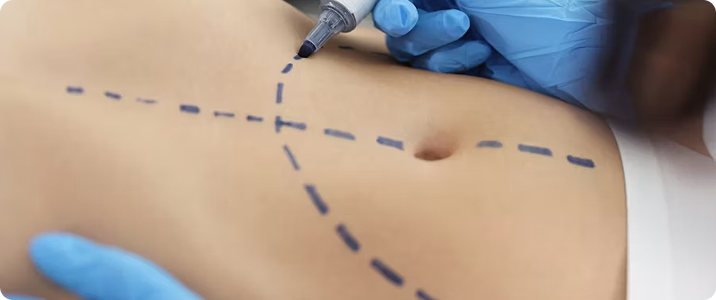
In many countries, aesthetic surgery is perceived as a relatively simple procedure. In Germany, any operation begins with diagnostics and risk assessment. Before the intervention, doctors analyze the overall state of health, the functioning of the cardiovascular system, the presence of chronic diseases, the characteristics of tissue healing, and potential factors for complications. This approach is especially important for patients over 40, patients after significant weight loss, people with hormonal disorders, autoimmune diseases, or a complex medical history. The main task of a German surgeon is not only to achieve an aesthetic result, but also to ensure maximum safety at all stages of treatment.


The connection between reconstructive and aesthetic surgery
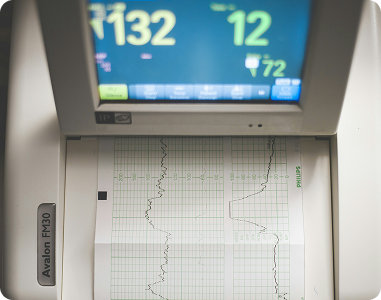
One of the reasons for the high reputation of German plastic surgery is its close connection with reconstructive medicine. Many leading specialists in Germany work daily not only with aesthetic patients, but are also engaged in the most complex restorative operations after oncological diseases, severe injuries, burns, and congenital defects. This experience allows the surgeon to deeply understand anatomy, tissue blood supply, healing processes, and possible complications. That is why German specialists are often involved in correcting unsuccessful plastic operations performed in other countries.
When patients turn to Germany after unsuccessful operations
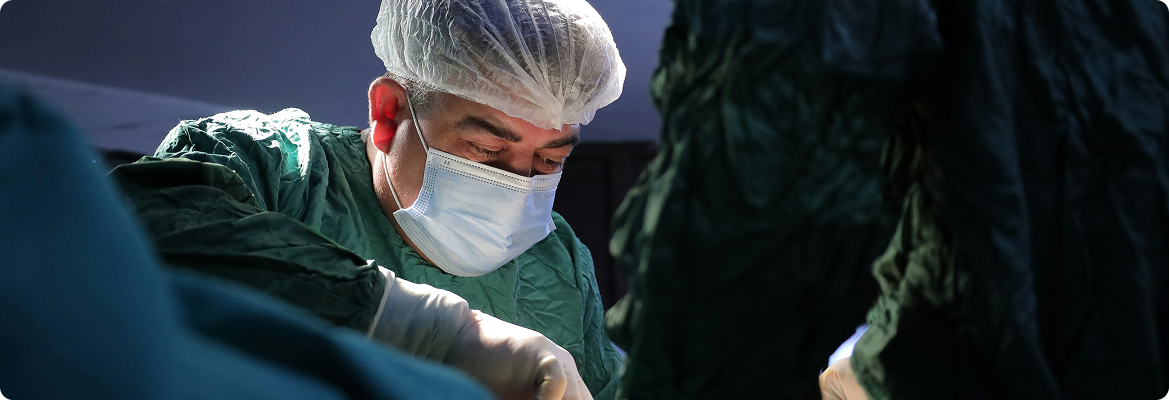
A separate area of work for many German centers is related to the treatment of complications after aesthetic interventions. This may involve the consequences of unsuccessful rhinoplasty, complications after breast augmentation, impaired tissue healing, facial asymmetry, scar changes, or the need for complex reconstruction after several previous operations. In such cases, the patient requires not just aesthetic correction, but a comprehensive medical strategy that includes diagnostics, tissue restoration, and step-by-step surgical treatment. It is precisely thanks to its strong reconstructive school that Germany is considered one of the leading centers for solving such tasks.
Which operations are most in demand
Most often, foreign patients turn to Germany for rhinoplasty, breast surgery, facial rejuvenation, eyelid surgery, facial contour surgery, and correction of age-related changes.
A separate area is post-bariatric surgery for patients after significant weight loss. After weight loss, comprehensive correction of excess skin and restoration of body contours are often required. Such operations require not only an aesthetic approach, but also an understanding of metabolic processes, tissue healing characteristics, and the general condition of the body. Germany is also one of the leading destinations for reconstructive operations after the treatment of oncological diseases, including breast reconstruction after breast cancer.


Why patients choose Germany
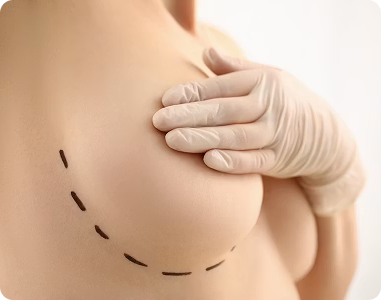
For many patients, the decisive factor is not so much the operation itself as the level of medical safety. The German healthcare system implies strict quality control, high requirements for the qualifications of surgeons, modern standards of anesthesiology, and thorough postoperative monitoring. In addition, the patient gains access to an interdisciplinary team of specialists. If necessary, cardiologists, endocrinologists, dermatologists, regenerative medicine specialists, and other doctors may be involved in treatment. This approach is especially important in complex cases where the aesthetic task is closely related to the general health condition of the patient.
German Medical Concierge
For foreign patients, organizing a plastic surgery in Germany can be a complex task. It is important not only to choose a well-known clinic, but also to select a surgeon with experience specifically in the relevant field, assess medical risks, organize diagnostics, and ensure full support at all stages of treatment. German Medical Concierge helps build this process as a unified medical strategy. The team analyzes the patient's request, selects specialized clinics and specialists, organizes consultations, diagnostics, surgical treatment, and postoperative support. This approach allows the patient to focus on the result and recovery, entrusting organizational and medical matters to professionals.
Modern aesthetic surgery requires a systematic approach, a deep understanding of anatomy, and individual treatment planning. It is the combination of these factors that allows Germany to remain one of the world's leading centers of plastic and reconstructive surgery.