
Chronic stress and emotional burnout: modern recovery programs in Germany

Modern medicine increasingly regards chronic stress not merely as a psychological problem but as a condition capable of exerting a systemic impact on the entire body. Prolonged emotional strain is associated with dysfunction of the nervous, endocrine, and immune systems, changes in metabolism, deterioration of sleep quality, decline in cognitive function, and an increased risk of cardiovascular disease. This is why more and more patients today seek medical help not only when serious illnesses appear, but also when the body stops recovering after a long period of stress.
In Germany, recovery programs for chronic stress and emotional exhaustion are built on the principles of evidence-based medicine and a multidisciplinary approach. Here, the task of specialists is not simply to reduce symptoms but to identify the physiological causes of declining well-being, assess the state of the body, and develop an individual recovery program.
What happens to the body under chronic stress
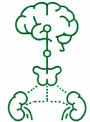

cortisol secretion
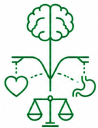
autonomic nervous system

Stress is a natural response of the body to external influences. However, if stress persists for months or years, compensatory mechanisms begin to work less effectively. Scientific studies show that chronic stress is accompanied by prolonged activation of the hypothalamic-pituitary-adrenal axis (HPA-axis), changes in cortisol secretion, dysfunction of the autonomic nervous system, and the development of what is known as allostatic load.
These changes may manifest as chronic fatigue, sleep disturbances, decreased concentration, impaired memory, anxiety, headaches, muscle tension, digestive problems, elevated blood pressure, and reduced quality of life. At the same time, standard laboratory tests are not always able to immediately identify the cause of such complaints.

Why rest does not always solve the problem
One of the most common misconceptions is that a person with emotional burnout simply needs to take a vacation or get a good night's sleep. In practice, this does not always help. If chronic stress persists for a long time, the changes affect not only the emotional state but also physiological processes. Sleep regulation is disrupted, physical endurance decreases, the functioning of the cardiovascular system changes, and the ability to concentrate and make decisions deteriorates. This is why many patients note that even after a full rest, the feeling of exhaustion remains.
The World Health Organization classifies emotional burnout as an occupational phenomenon resulting from chronic workplace stress that has not been successfully managed. At the same time, doctors are increasingly focusing on the medical consequences of prolonged stress, which require comprehensive diagnosis and treatment.
How Germany approaches recovery from chronic stress


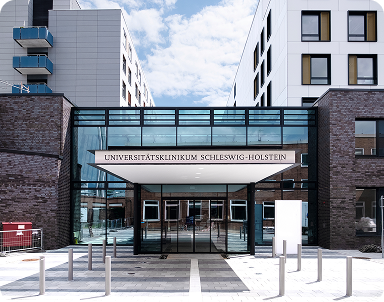
One of the distinctive features of German medicine is the integration of psychosomatic medicine, neurology, cardiology, endocrinology, sleep medicine, and rehabilitation. Depending on the clinical situation, a patient may be seen by several specialists simultaneously. This approach makes it possible to assess not only the psychological state, but also the functioning of the cardiovascular system, hormonal status, sleep quality, metabolic state, the presence of chronic inflammation, and other factors that may sustain the symptoms of chronic fatigue and emotional exhaustion.
In many cases, recovery programs include extended laboratory diagnostics, functional studies, assessment of heart rate variability, examinations for sleep disorders, consultations with psychosomatic medicine specialists, physiotherapy, therapeutic exercise, and individual rehabilitation programs.

When to seek medical help

fatigue

disturbances
concentration and
memory


exhaustion

having no
energy

physical
performance

headaches

problems
Not every feeling of fatigue requires specialized treatment. However, there are situations where symptoms persist for a long time or begin to significantly affect daily life. Reasons for a more detailed examination may include persistent fatigue that does not go away after rest, sleep disturbances, reduced concentration and memory, anxiety, emotional exhaustion, a feeling of having no energy, decreased physical performance, frequent headaches, digestive problems, or the feeling that usual workloads have become significantly harder to bear. Such symptoms do not always indicate a serious illness, but they may signal the need for a comprehensive assessment of the body's condition.


Why a multidisciplinary approach is important

Chronic stress rarely affects only one system of the body. That is why modern German medicine places great emphasis on the work of multidisciplinary teams. When necessary, psychosomatic specialists, neurologists, cardiologists, endocrinologists, sleep medicine specialists, physiotherapists, clinical psychologists, and rehabilitation medicine specialists participate in examination and treatment. Working together makes it possible not only to reduce symptoms but also to identify the factors that sustain the chronic deterioration of well-being.
This approach is especially important for executives, entrepreneurs, patients recovering from serious illnesses, people with high professional workloads, and those who have lived in a state of constant stress for a long time.
German Medical Concierge
For international patients, it can be difficult to determine which examinations are actually necessary and which specialists should be involved in the recovery. Depending on the clinical picture, one patient may need a consultation with a psychosomatic specialist, another an examination by a neurologist or cardiologist, and a third a comprehensive restorative medicine program.
German Medical Concierge helps organize this process as a unified medical strategy. The team analyzes the patient's medical records and complaints, selects specialized clinics and specialists in Germany, organizes comprehensive diagnostics and recovery programs, and accompanies the patient at every stage of treatment and rehabilitation.
Chronic stress and emotional burnout are not just a feeling of tiredness. With prolonged exposure, stress can affect the functioning of various body systems and significantly reduce quality of life. This is why modern medicine increasingly views recovery from chronic stress as a complex medical task requiring accurate diagnosis, a multidisciplinary approach, and an individually tailored treatment program.



Chronic stress rarely affects only one system of the body. That is why modern German medicine places great emphasis on the work of multidisciplinary teams. When necessary, psychosomatic specialists, neurologists, cardiologists, endocrinologists, sleep medicine specialists, physiotherapists, clinical psychologists, and rehabilitation medicine specialists participate in examination and treatment. Working together makes it possible not only to reduce symptoms but also to identify the factors that sustain the chronic deterioration of well-being.
This approach is especially important for executives, entrepreneurs, patients recovering from serious illnesses, people with high professional workloads, and those who have lived in a state of constant stress for a long time.