
Neurorehabilitation in Germany: recovery after severe brain damage
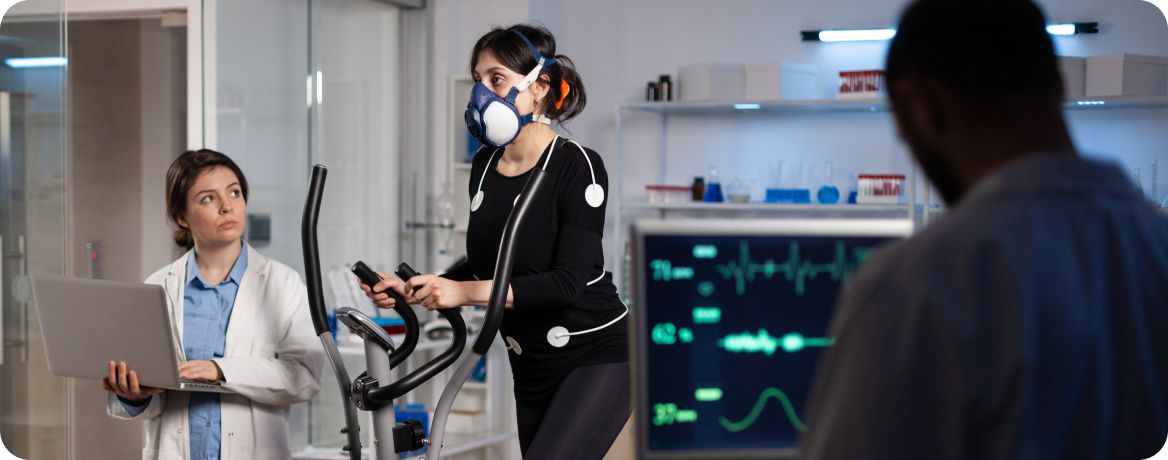
Neurorehabilitation in Germany is considered one of the strongest fields of restorative medicine in Europe. German clinics work with patients after stroke, meningitis, encephalitis, traumatic brain injuries, neurosurgical operations and other severe damage to the central nervous system. In many cases, it is not just a matter of recovering from an illness, but of restoring a person's basic functions: movement, speech, memory, concentration, coordination and the ability to live independently.
Modern German neurology proceeds from the premise that the brain retains the ability to recover even after serious damage. This process is associated with neuroplasticity, the ability of the nervous system to form new neural connections after brain damage. That is why early and properly organized neurorehabilitation is considered one of the key prognostic factors after stroke, meningitis and severe neurological conditions. Modern research confirms that intensive multidisciplinary rehabilitation has a significant impact on the recovery of motor and cognitive functions.
CLINICAL CASE: RECOVERY AFTER MENINGITIS IN GERMANY
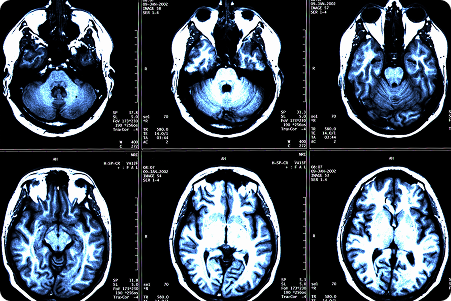
One of the patients of German Medical Concierge faced a severe complication after meningitis. It all started with an ordinary headache in the middle of the workday. Within just a few hours, the man lost consciousness right in the office, and doctors later diagnosed meningitis. This was followed by multiple lesions of the brain, complex surgery, prolonged intensive care and a difficult period of recovery.
Although the patient's life was saved, the consequences turned out to be extremely serious. He lost some of his basic skills, was unable to work fully, manage his business or take care of himself independently. After lengthy treatment, the family found that essentially no further solutions were offered within the local healthcare system.
After contacting German Medical Concierge, a treatment and neurorehabilitation program in Germany was arranged. German specialists conducted a reassessment of the condition and concluded that even after severe damage to the nervous system, the recovery potential is preserved. The patient is now undergoing rehabilitation in Berlin under the supervision of a specialized team, and the therapy program is structured as a long-term strategy for restoring brain function and quality of life.
WHY GERMANY IS CONSIDERED ONE OF THE LEADERS IN NEUROREHABILITATION
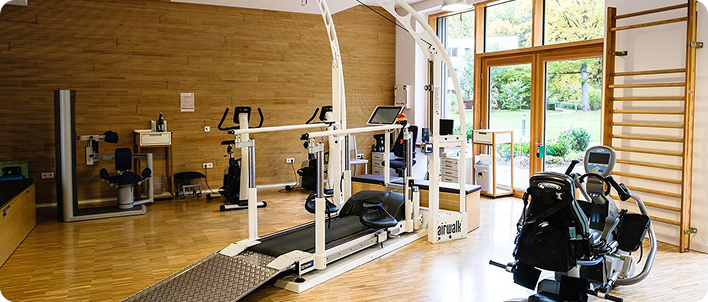
One of the strengths of German medicine is its system of early specialized neurorehabilitation. Many centers in Germany work specifically with cases that in other countries are considered too severe or offer little prospect of recovery. This includes patients after severe strokes, meningitis, hypoxic brain damage, prolonged coma, traumatic brain injuries and complex neurosurgical operations.
In many German clinics, rehabilitation begins almost immediately after the patient's condition has been stabilized. This approach makes it possible to use the early period of neuroplasticity, when the brain responds most actively to therapy and rehabilitation. That is why Germany is considered one of the leading destinations for patients with complex neurological diagnoses.
HOW NEUROREHABILITATION IS ORGANIZED IN GERMANY
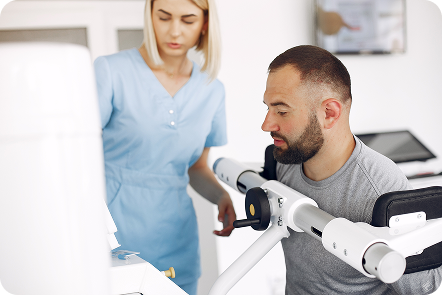
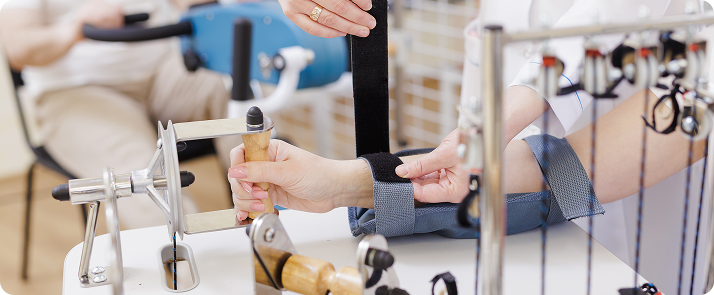
The German neurorehabilitation system is based on a multidisciplinary model. The patient is treated simultaneously by neurologists, rehabilitation specialists, physiotherapists, occupational therapists, speech therapists, neuropsychologists and cognitive therapy specialists.
After severe brain damage, the problem is almost never limited to a single bodily function. Patients may simultaneously face motor impairments, loss of coordination, speech, memory and concentration disorders, as well as emotional instability. That is why the recovery program is always tailored individually and includes both physical and cognitive rehabilitation. German clinics actively use robotic gait restoration systems, modern neurophysiotherapy methods, neurostimulation, VR technologies and digital analysis of motor functions. However, the key role is played not by the technology itself, but by how it is integrated into the overall treatment and recovery strategy.
WHICH CONDITIONS REQUIRE NEUROREHABILITATION
Most often, patients turn to German centers after stroke, meningitis and encephalitis, traumatic brain injuries, neurosurgical operations, hypoxic brain damage, multiple sclerosis, Parkinson's disease and severe neurological complications following intensive care. In many cases, it is precisely properly organized rehabilitation that determines whether a patient will be able to return to independent life and restore lost functions.
WHY PROPER ORGANIZATION OF TREATMENT MATTERS
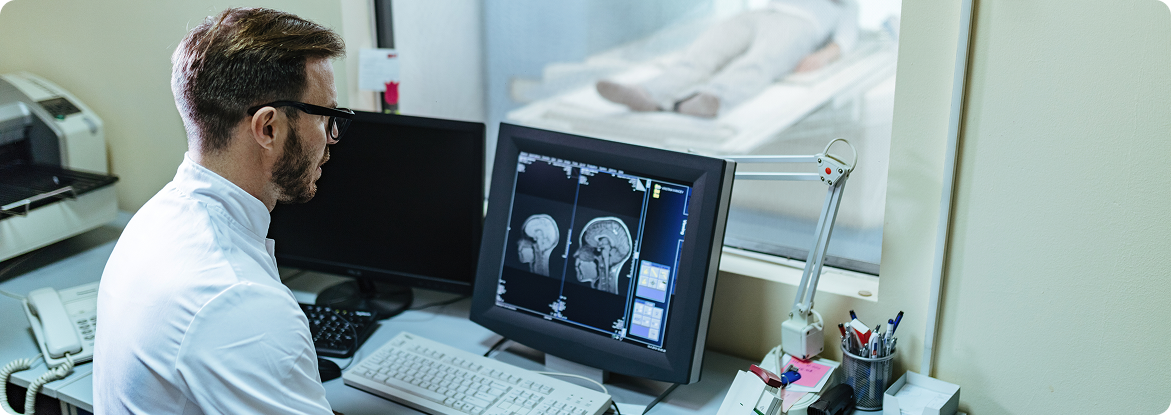
Even with a high level of medical care, the outcome depends on how properly the entire recovery process is structured. It is important not only to choose a strong clinic, but also to determine the center's specialization, select a team of specialists, organize diagnostics and build the right sequence of therapy.
German Medical Concierge helps to organize treatment and neurorehabilitation in Germany as a unified system. The team analyzes medical documentation, selects specialized centers and accompanies the patient through all stages of recovery. This is especially important in complex neurological cases, where time, strategy and the experience of specialists directly influence the recovery prognosis.
Neurorehabilitation in Germany is today considered one of the most effective fields of restorative medicine for patients after stroke, severe injuries and other damage to the nervous system. Modern German clinics work not only with the consequences of the disease, but also with the restoration of brain functions, using a multidisciplinary approach, technology and early initiation of therapy.
That is why Germany remains one of the key destinations for patients who need not just rehabilitation, but a chance to return to a full life.