Post-COVID Syndrome and the Heart
The COVID-19 pandemic is over, yet its consequences continue to be studied around the world. A growing body of scientific research confirms that some patients may continue to experience symptoms affecting the cardiovascular system even months after recovering from the infection. Shortness of breath, rapid heartbeat, irregular heartbeat, reduced exercise tolerance, chronic fatigue, and chest pain are now regarded as possible manifestations of post-COVID syndrome.
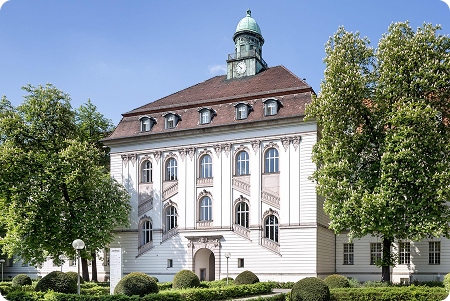
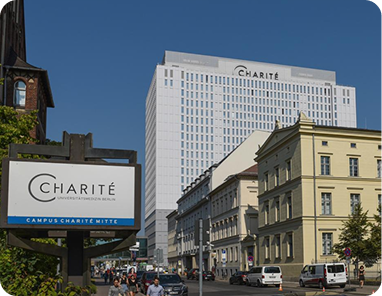
A recent study by scientists at Charité – Universitätsmedizin Berlin, the German Heart Center of the Charité (DHZC), and the Max Delbrück Center, published in the journal Nature Cardiovascular Research, has shown that inflammation of the heart muscle after COVID-19 has its own molecular and immunological characteristics. These findings open up new opportunities for more accurate diagnosis and personalized treatment of patients with post-COVID cardiac involvement.
Why COVID-19 Can Affect the Heart
Although COVID-19 is primarily considered a respiratory infection, a large amount of data has already been accumulated on its impact on the cardiovascular system. According to European and German studies, SARS-CoV-2 is capable of causing inflammatory processes affecting the heart muscle, blood vessels, and the immune system. Moreover, the severity of these changes does not always depend on the severity of the infection itself. Even after a relatively mild course of the disease, some patients continue to experience symptoms associated with impaired heart function. It is important to understand that such symptoms do not always indicate the presence of myocarditis or another serious condition. However, if they persist, they require professional evaluation, since timely diagnosis makes it possible to rule out dangerous conditions or begin treatment at an early stage.

What the New Charité Study Revealed
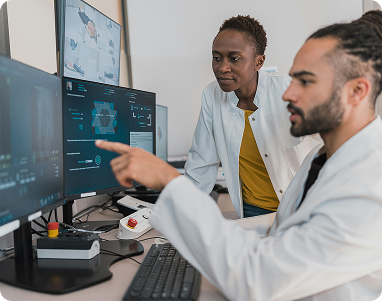
A team of researchers from Berlin performed a detailed analysis of heart muscle biopsies from patients with various forms of myocarditis.
Using modern single-cell molecular analysis technologies, the specialists discovered that inflammation of the heart after COVID-19 has a unique immune profile, differing both from classic viral myocarditis and from rare cases of myocarditis following vaccination.
The study also revealed differences in the composition of immune cells and the mechanisms of inflammation, which in the future will make it possible to develop more personalized therapeutic approaches instead of a one-size-fits-all approach for all patients.


Which Symptoms Should Not Be Ignored
After a coronavirus infection, reasons to consult a cardiologist may include:
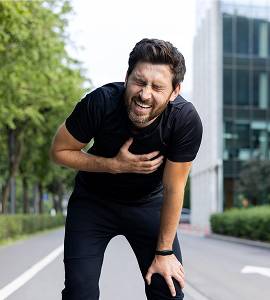
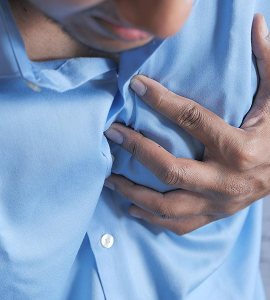
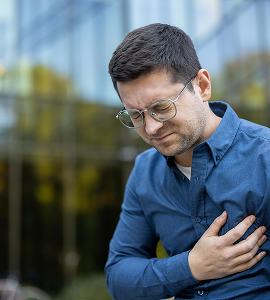
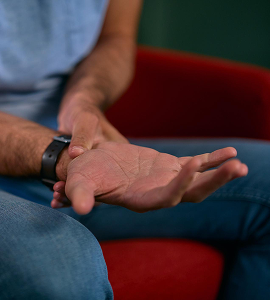


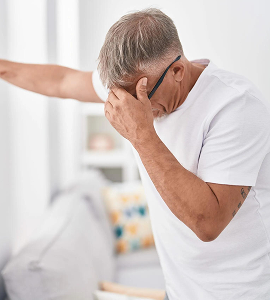
Such symptoms may be associated with a variety of causes, which is why they require a comprehensive evaluation rather than a diagnosis based on complaints alone.
How Patients Are Examined in Germany After COVID-19
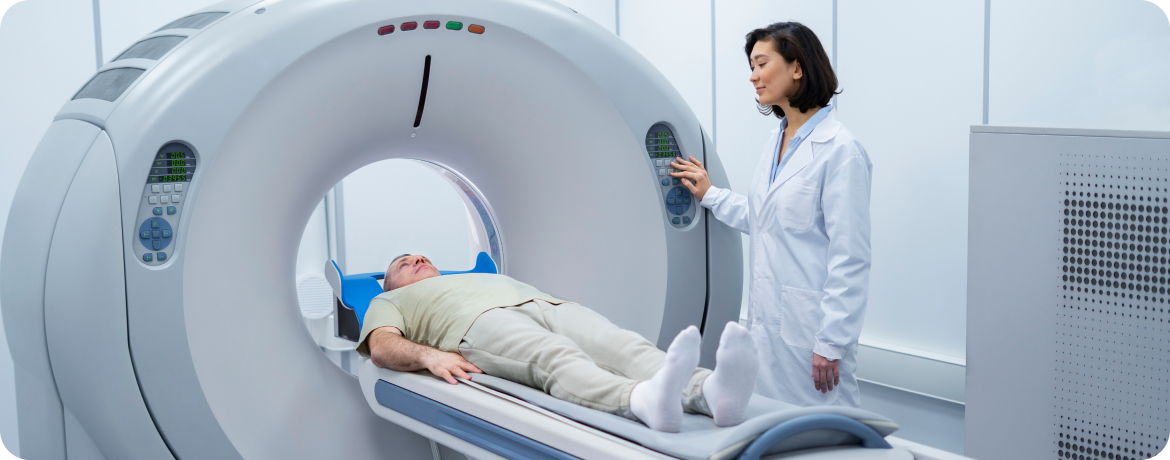
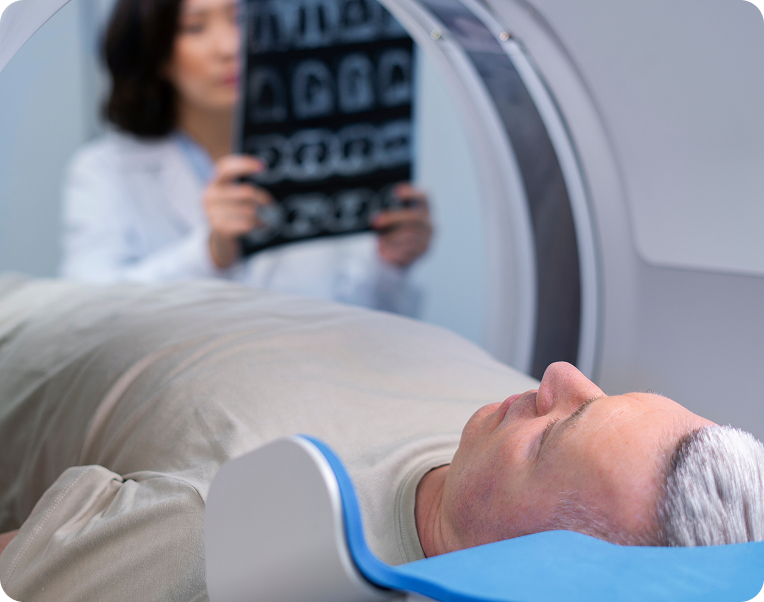
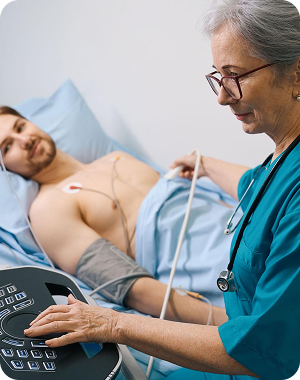
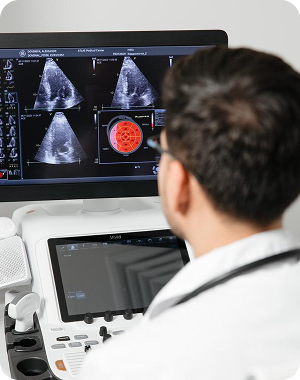
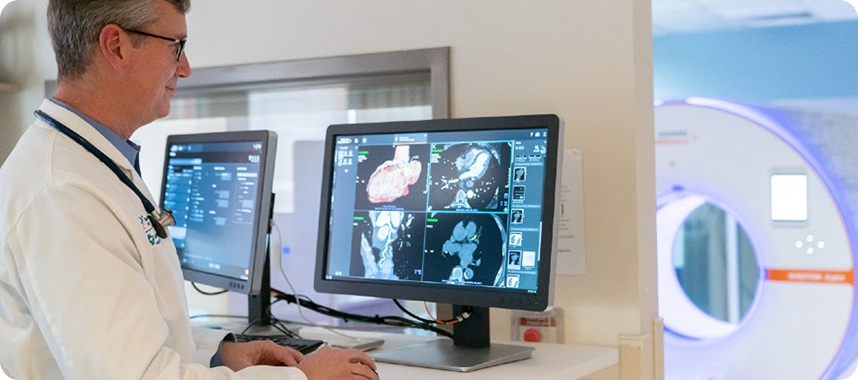
One of the distinctive features of German cardiology is its individualized approach to diagnosis. Depending on the clinical picture, a patient may be recommended electrocardiography, echocardiography, 24-hour ECG monitoring, laboratory tests, stress tests, and cardiac MRI, which is considered one of the most informative methods for detecting inflammatory changes in the heart muscle when appropriate indications are present. At Germany's university cardiology centers, examinations are carried out by multidisciplinary teams involving cardiologists, imaging specialists, immunologists, and other specialized experts. This approach makes it possible to assess not only the structure of the heart but also the possible mechanisms of the disease.
Why Early Diagnosis Is Important
Modern medicine is increasingly shifting its focus from treating complications to detecting them early. If inflammatory changes are diagnosed in a timely manner, the physician can determine the optimal monitoring strategy, adjust physical activity, prescribe the necessary treatment, and reduce the risk of developing long-term complications. This is precisely why international guidelines advise patients with persistent cardiac symptoms after COVID-19 not to simply wait for spontaneous improvement, but to undergo a comprehensive cardiological examination.
German Medical Concierge
For international patients, it can be difficult to determine which examinations are truly necessary and which university center has the greatest experience with a particular clinical situation. German Medical Concierge helps organize this process as a single, unified medical strategy. The team analyzes medical records, selects Germany's leading cardiology centers, arranges second medical opinions, advanced diagnostic tests, and consultations with specialized experts, supporting the patient at every stage of examination and treatment.
Why Germany Remains One of the Leaders in Cardiology
German university medicine combines fundamental research with clinical practice. It is precisely thanks to the close cooperation between Charité, DHZC, the Max Delbrück Center, and other scientific centers that new discoveries move more quickly into practical healthcare and help improve the diagnosis and treatment of patients. Current research shows that post-COVID syndrome may affect the cardiovascular system in far more complex ways than previously assumed. This is why a timely examination, based on current scientific data and the capabilities of German university medicine, is becoming an important part of recovering one's health after COVID-19.