Why Patients Choose Joint Replacement Surgery in Germany
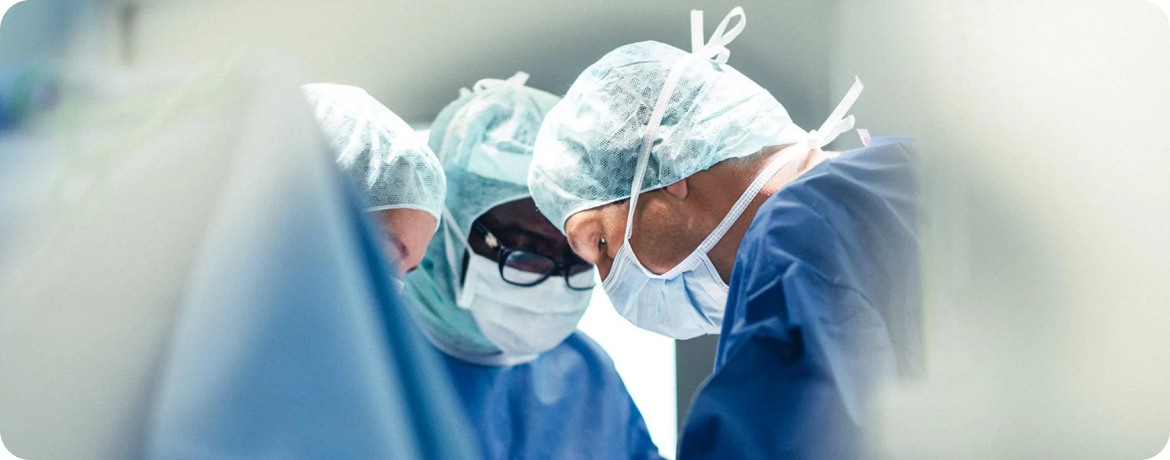
Hip and knee joint replacement surgery is one of the most effective operations in modern orthopedics. For most patients, it is an opportunity to get rid of chronic pain, restore mobility, and return to a normal level of physical activity. Germany remains one of the leading destinations for treating patients with severe arthritis, consequences of injuries, and other joint diseases. The German joint replacement system is built on the basis of worldwide experience and is part of strict quality control, specialized centers, modern surgical technologies, and comprehensive rehabilitation.
Statistics and Indications for Joint Replacement
According to the German Society of Orthopedics and Orthopedic Surgery (DGOOC), more than 400,000 hip and knee joint replacement operations are performed annually in Germany. This is one of the most common surgical procedures in the country. To assess treatment outcomes, the German Joint Replacement Registry (EPRD) operates, which analyzes the quality of implants, surgical results, and long-term treatment effectiveness.
Why Surgery Quality Depends on More Than Just the Surgeon
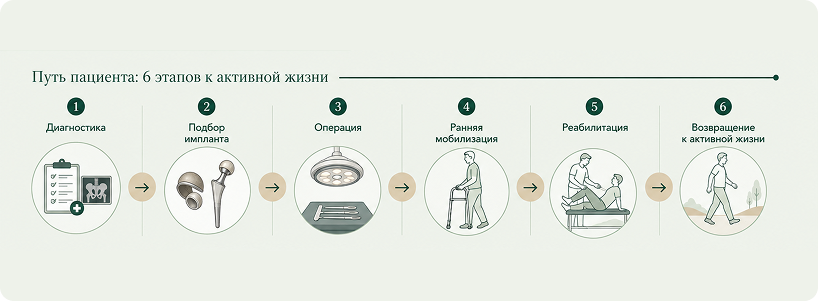
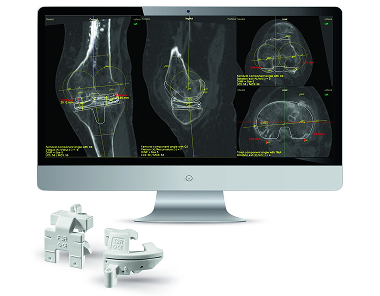
Modern joint replacement is not just the operation itself. In Germany, great attention is paid to every stage of treatment: preoperative diagnostics, implant selection, surgical planning, performing the operation, early rehabilitation, and subsequent patient follow-up. Exactly this comprehensive approach allows achieving high accuracy in surgical treatment and reducing the risk of postoperative complications.
Minimally Invasive Surgery and Modern Technologies
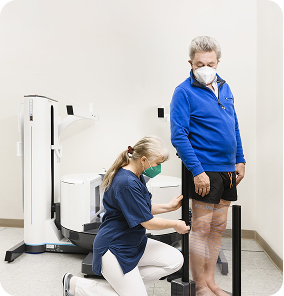
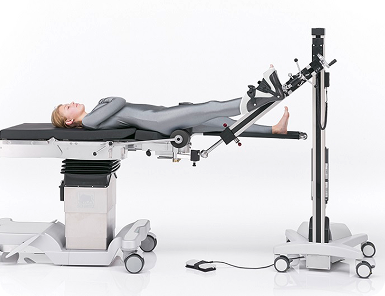
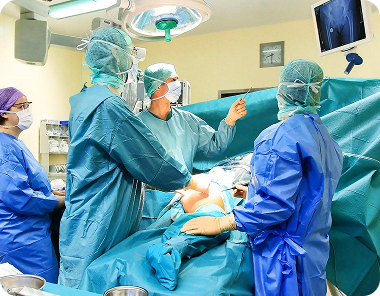
Modern German orthopedics strives to minimize surgical trauma. When the clinical situation allows, minimally invasive surgical approaches are used, which help reduce soft tissue damage, decrease postoperative pain, and accelerate patient recovery. In many specialized centers, computer navigation and robotic technologies are employed. It is important to understand that the robot does not replace the surgeon. All stages are performed by the surgeon, and digital systems help position the implant more accurately and take into account the individual patient anatomy.
Why Patients Choose Joint Replacement Surgery in Germany
Relatively recently, patients were advised to maintain prolonged bed rest after joint replacement. Today in Germany, modern successful programs such as Fast Track and Enhanced Recovery After Surgery (ERAS) are widely used. In the absence of contraindications, early mobilization begins within the first hours after surgery under the supervision of specialists. This approach helps reduce the risk of thromboembolic complications, allows faster restoration of joint function, and shortens hospitalization periods. Recovery programs are always tailored individually and depend on the patient's age, overall health condition, and the specifics of the performed operation.
Rehabilitation Begins Immediately After Surgery
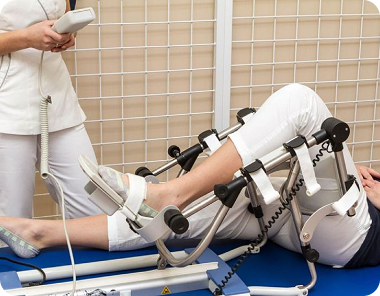
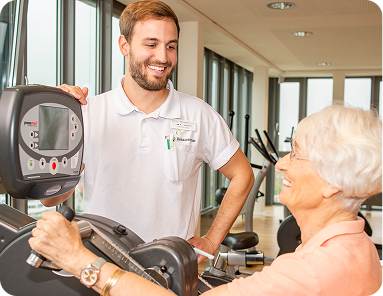
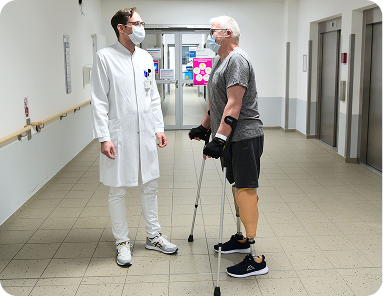
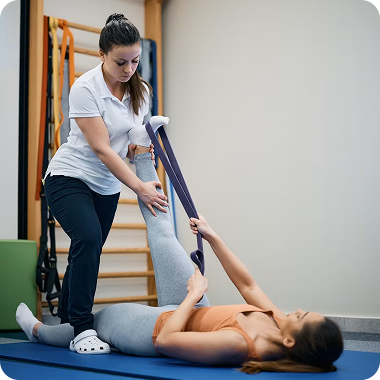
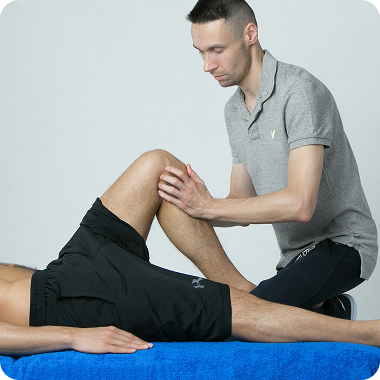
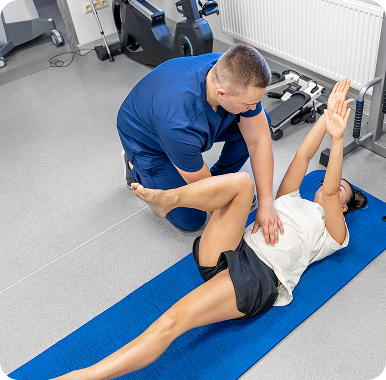
In German orthopedics, surgery is considered only as one stage of treatment. Rehabilitation begins practically immediately after surgical intervention, including physical therapy, therapeutic exercises, patient education on recovery methods, and teaching proper joint loading. Walking restoration and gradual return to daily activities. It is the combination of modern surgery and early rehabilitation that is considered one of the key factors in successful recovery.
Certified Joint Replacement Centers
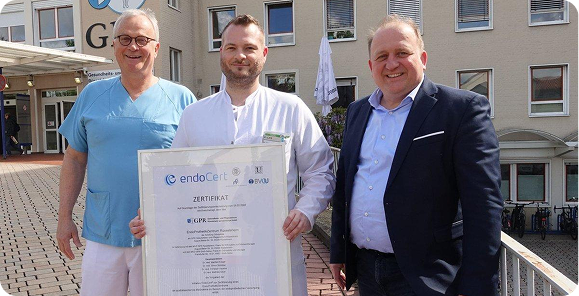
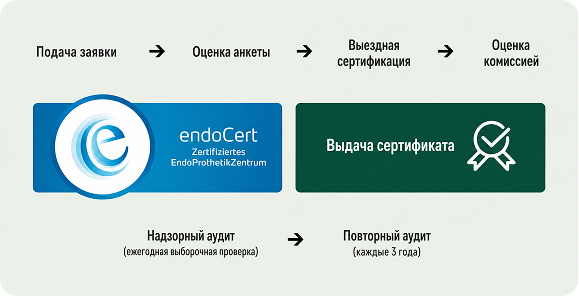
One of the distinctive features of the German healthcare system is the EndoCert program — the first specialized certification standard for joint replacement centers worldwide. Only clinics meeting strict requirements for surgeon qualifications, number of operations performed, organization of treatment, patient safety, and quality control systems can obtain certified center status. Regular independent audits help maintain unified standards of care provision and continuously improve treatment outcomes.
Modern Implants and Individual Selection
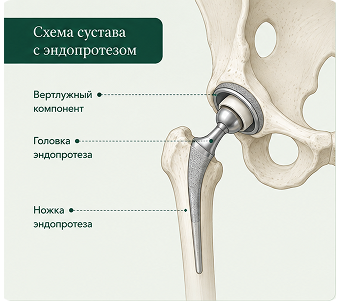
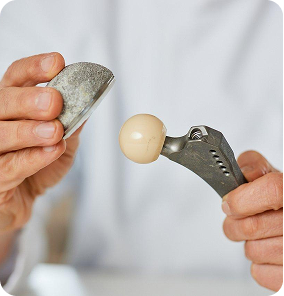
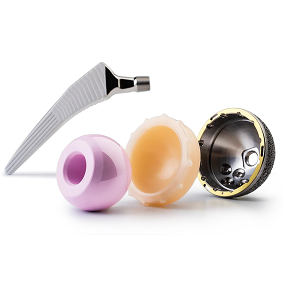
Endoprosthesis selection is always carried out individually. German orthopedists consider the patient's age, level of physical activity, bone tissue quality, anatomical features, comorbidities, and expected joint loading. Modern endoprostheses use high-tech materials, including titanium alloys, ceramic components, and highly durable polyethylene, distinguished by high wear resistance. According to data from the German Joint Replacement Registry, continuous analysis of results allows assessment of the durability of various implant models and improvement of implant selection approaches.
Why Germany is Considered One of the World Leaders in Joint Replacement
The high reputation of German orthopedics is based on the combination of several factors: specialized centers, strict quality standards, continuous analysis of treatment results, and close connection between clinical practice and scientific research. The German Joint Replacement Registry allows constant analysis of surgical results, comparison of different implants' effectiveness, and improvement of care standards. This approach helps increase treatment safety and improve long-term outcomes for patients.
German Medical Concierge
For foreign patients, treatment in Germany begins long before hospitalization. It is important to determine whether surgery is truly the optimal solution, select a specialized joint replacement center, choose a surgeon with experience treating your specific condition, organize diagnostics, obtain a second medical opinion, and arrange subsequent rehabilitation.
German Medical Concierge provides this complete range of services to patients. The company analyzes medical documentation, selects specialized orthopedic centers and specialists in Germany, organizes diagnostics, consultations, surgical treatment, and postoperative follow-up.
Modern joint replacement is far more than simply replacing a damaged joint. It is a comprehensive approach that combines high-tech surgery, strict quality standards, modern rehabilitation methods, and individual patient support. It is precisely because of this system that Germany remains one of Europe's leading centers for orthopedic surgery and joint replacement.