
Cancer treatment in Germany: how therapy is chosen

Modern cancer treatment is increasingly moving away from a single universal protocol. Even in two patients with a tumour of the same organ, the disease may have different histological, molecular and genetic characteristics, and therefore require different therapeutic approaches. That is exactly why the treatment of oncological diseases in Germany begins with the most accurate possible confirmation of the diagnosis and determination of the tumour's characteristics. In specialised cancer centres, decisions may be made on a multidisciplinary basis, and for certain diseases the diagnostic algorithm includes molecular testing and biomarker determination. The aim of this approach is to select treatment not only according to the name of the disease, but also according to the specific clinical situation of the patient.
Why the treatment decision is not made by a single doctor alone
Oncology brings together several medical specialties at once. For an individual patient, surgical treatment, drug therapy, radiotherapy, histopathological and molecular diagnostics may all be relevant. This is why multidisciplinary case discussion is one of the key components of modern cancer care. The composition of the team depends on the disease and the clinical situation and may include oncologists, surgeons, radiologists, radiation oncologists, pathologists and other specialists. This approach is especially important in complex cases, when several possible treatment options exist and their optimal sequence has to be determined.
Why the accuracy of the histological diagnosis is decisive
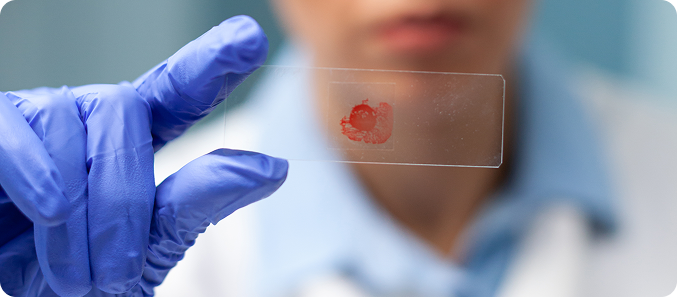
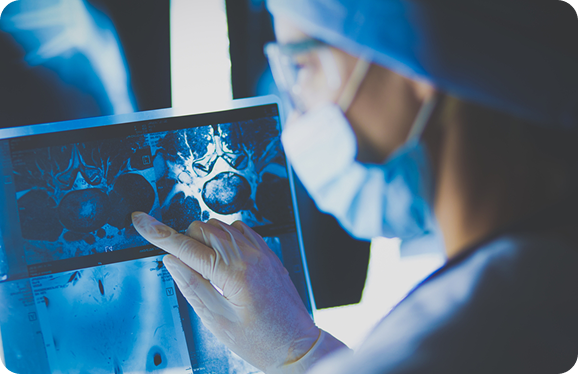
Before choosing cancer treatment, it is necessary to understand precisely what kind of tumour the doctors are dealing with. Tissue examination makes it possible to determine the morphological type of the neoplasm and other characteristics that are relevant for further therapy.
In complex, rare or ambiguous cases, an expert review of the histological slides may be required. This does not mean that the initial diagnosis was necessarily wrong. The task of expert pathology is to classify the tumour as accurately as possible and, if necessary, to carry out additional investigations. Therefore, when referring an international patient to a German cancer centre, it is important to determine in advance whether a repeat expert assessment of the material is required and exactly which slides, paraffin blocks and medical documents need to be provided.
Molecular diagnostics: why knowing only the tumour type is no longer enough
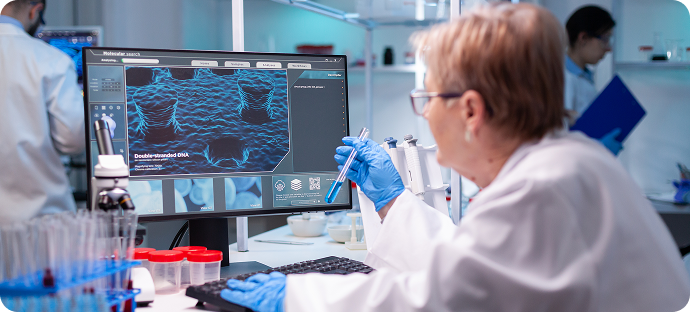
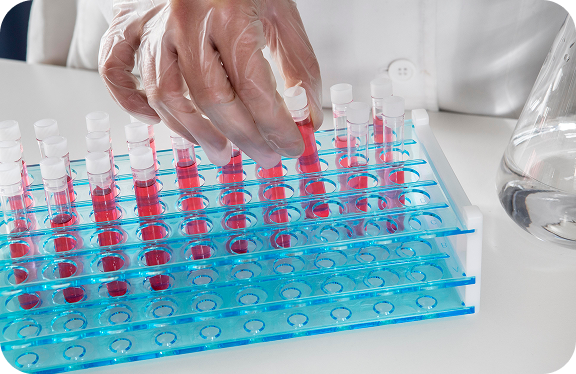
One of the most significant changes in modern oncology has been the development of personalised, or precision, medicine. Depending on the type of disease, doctors may examine specific biomarkers and molecular characteristics of the tumour. According to Krebsinformationsdienst of the German Cancer Research Center, such investigations already play an important role in treatment planning: certain biomarkers can provide information about the biological properties of the tumour and help determine whether a particular targeted or other therapy is suitable for the patient. Various methods may be used for analysis, including immunohistochemistry, PCR, gene expression studies and sequencing. However, the range of tests always depends on the specific oncological disease and the clinical question. There is no single universal molecular test that every cancer patient needs.
How the molecular profile can change treatment
Some modern anticancer drugs only work when a specific biological target is present. That is why, before a number of targeted drugs are prescribed, the corresponding biomarker has to be confirmed. Molecular diagnostics can help the doctor answer several fundamental questions: what features the particular tumour has, whether potential therapeutic targets exist, and whether the patient may benefit from a certain type of treatment. This is precisely the basis of the modern concept of precision oncology, in which therapy is increasingly selected on the basis of the individual characteristics of the disease.
Clinical trials and access to new treatment methods
Another important area of German university oncology is connected with clinical trials. Germany is home to the National Center for Tumor Diseases (NCT), which brings together the DKFZ with university medicine and research partners in several regions of the country. One of its tasks is to translate the results of basic research more quickly into clinical trials and new treatment strategies for patients.
At the same time, participation in a clinical trial cannot be regarded as an automatic way to obtain "the newest drug". Every study has specific inclusion and exclusion criteria, and the safety and efficacy of new methods are investigated under strictly regulated conditions. The decision on possible participation is made only after assessment of the individual clinical case. For some patients, especially those with rare diseases or limited standard treatment options, reviewing the available clinical trials may become one element in the search for a further therapeutic strategy.
Why treatment does not end after surgery or chemotherapy
Modern cancer care includes more than just direct antitumour treatment. Germany has a well-developed system of oncological rehabilitation. Its aim is to reduce the physical and psychological consequences of the disease and its therapy, to restore functional capacity and to help the patient return to everyday, social and professional life.
The programme is defined individually and may include medical monitoring, physical activity and therapeutic programmes, psychological and psycho-oncological support, as well as other methods of recovery, depending on the consequences of the disease and the treatment received. The current German S3 guideline on supportive therapy also regards supportive treatment as an important component of modern cancer care. It is therefore more accurate to say not that rehabilitation is automatically "included in every patient's protocol from day one", but that questions of supportive therapy, recovery and subsequent rehabilitation are part of the comprehensive management of the oncological patient.

Why Germany remains one of the leading destinations for cancer treatment
One of the key advantages of German oncology lies in the close link between university medicine and scientific research. The National Center for Tumor Diseases (NCT) brings together the DKFZ, university medical centres and research partners in six regions of Germany at once. This structure makes it possible to combine clinical practice, molecular diagnostics and research into new treatment methods. For the patient, this is particularly important in complex oncological cases, when it is necessary not simply to obtain one more consultation, but to reassess the diagnosis, the characteristics of the tumour, the existing treatment options and possible research programmes.
German Medical Concierge
For an international patient, organising cancer treatment in Germany may involve several stages at once: analysis of medical documentation, selection of a specialised cancer centre and specialists, obtaining a second medical opinion, arranging a histology review where indicated, additional diagnostics and coordination of treatment. German Medical Concierge helps to combine these stages into a single medical strategy. The team analyses medical documentation, selects specialised university hospitals and specialists in Germany, arranges consultations and second medical opinions, diagnostic investigations and further support for the patient.
Modern cancer treatment in Germany is not built around one single method or one single doctor. An accurate diagnosis, multidisciplinary discussion, molecular diagnostics where indicated, access to clinical trials for eligible patients and subsequent recovery make it possible to develop an individual treatment strategy for each specific case.